
Descrizione
Ascolta il disco:
- Italiano
- English
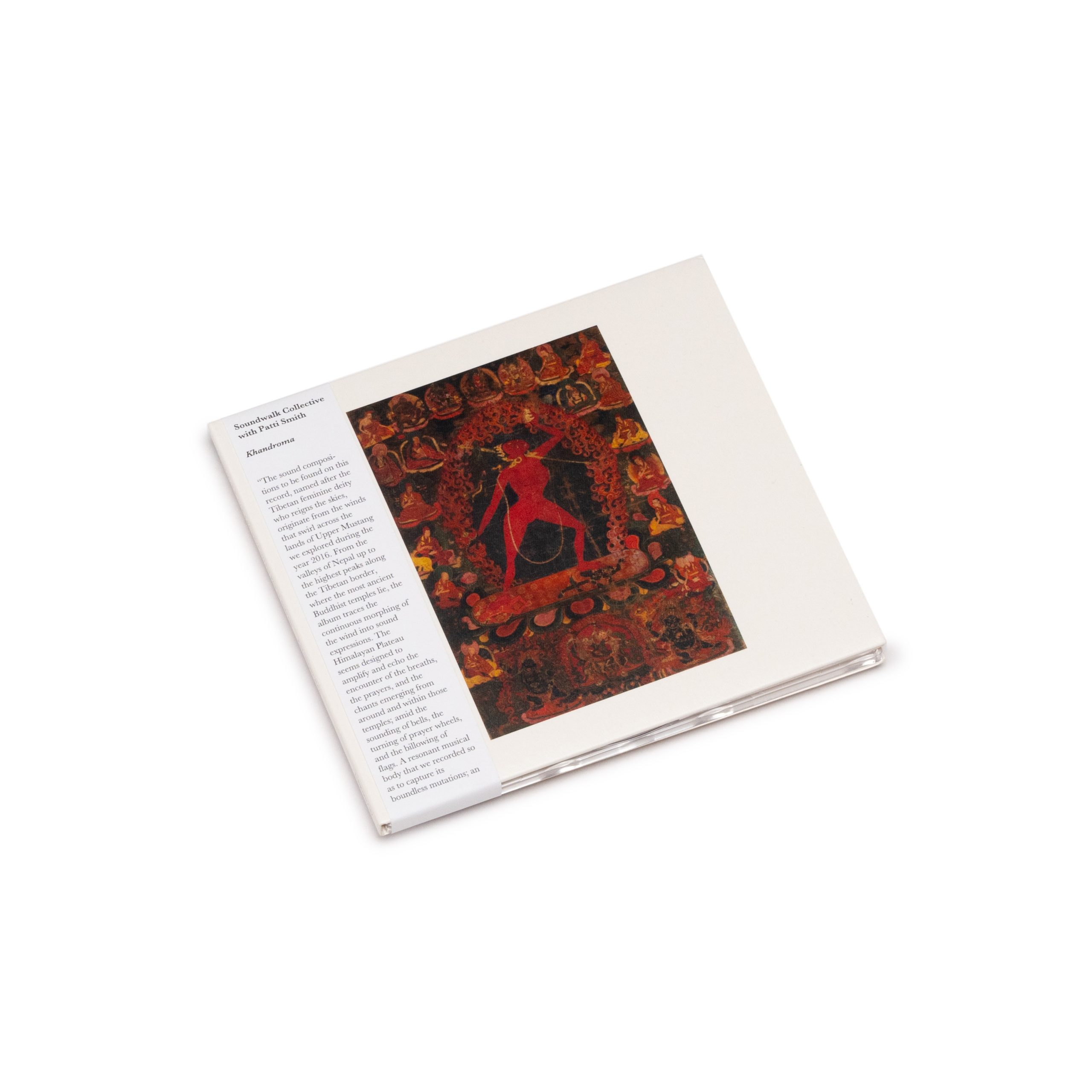
Nella primavera-estate 2016, i Soundwalk Collective e il musicista Francisco López si sono recati nell’Alto Mustang, in Nepal, per registrare i suoni dentro e intorno alcuni tra i più alti monasteri del mondo: lo sventolio delle bandiere di preghiera, i canti rituali, l’eco del vento dalla valle sottostante, le interazioni tra suono e silenzio. I suoni raccolti sono stati mixati dai Soundwalk Collective in un flusso musicale unico: un ritratto sonoro del Mustang, del suo ambiente, dei suoi antichi monasteri. Il risultato è una raffinata composizione che si avvale, fra l’altro, della presenza della voce di Patti Smith.
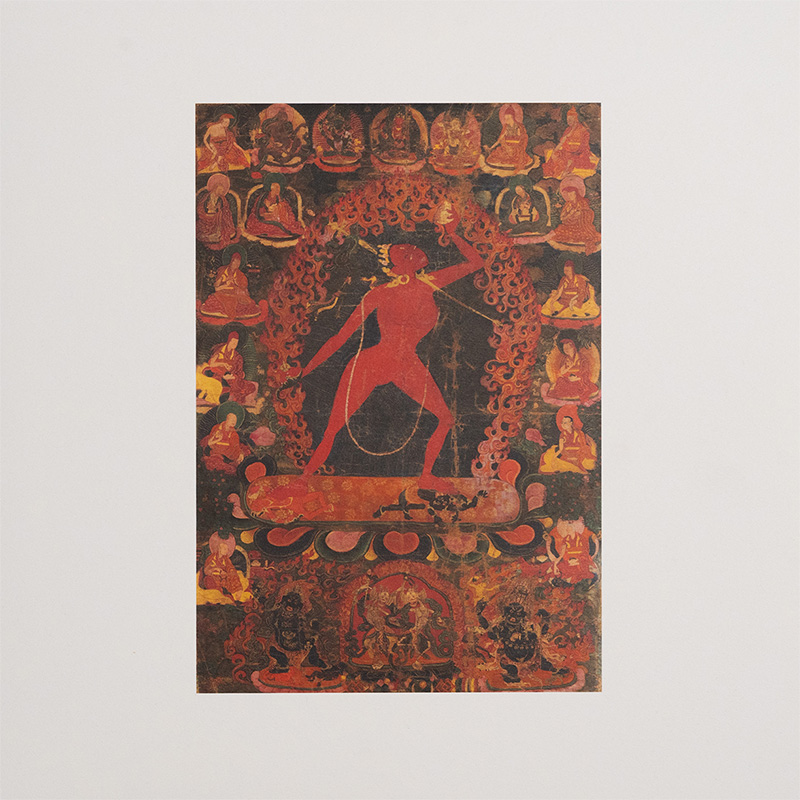
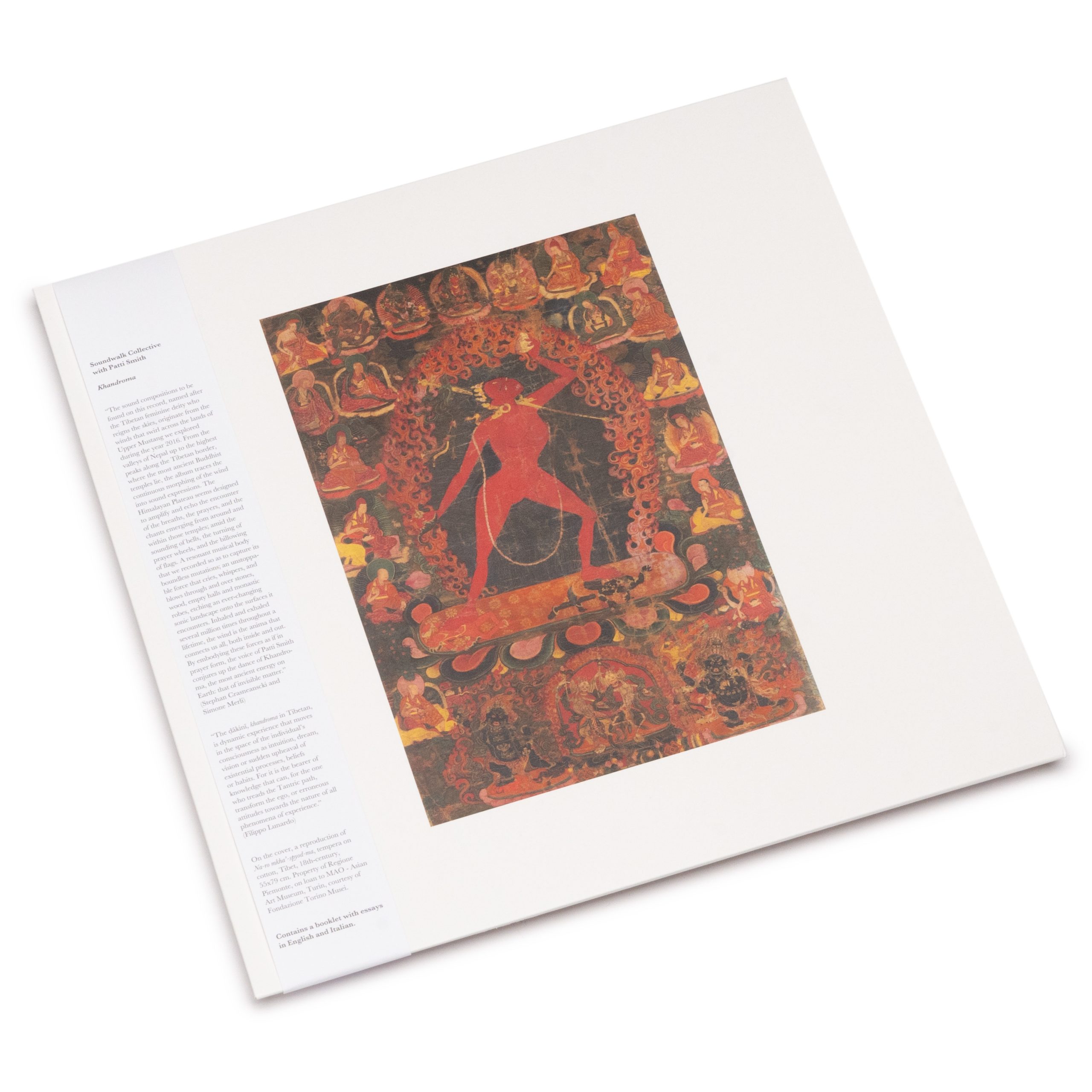
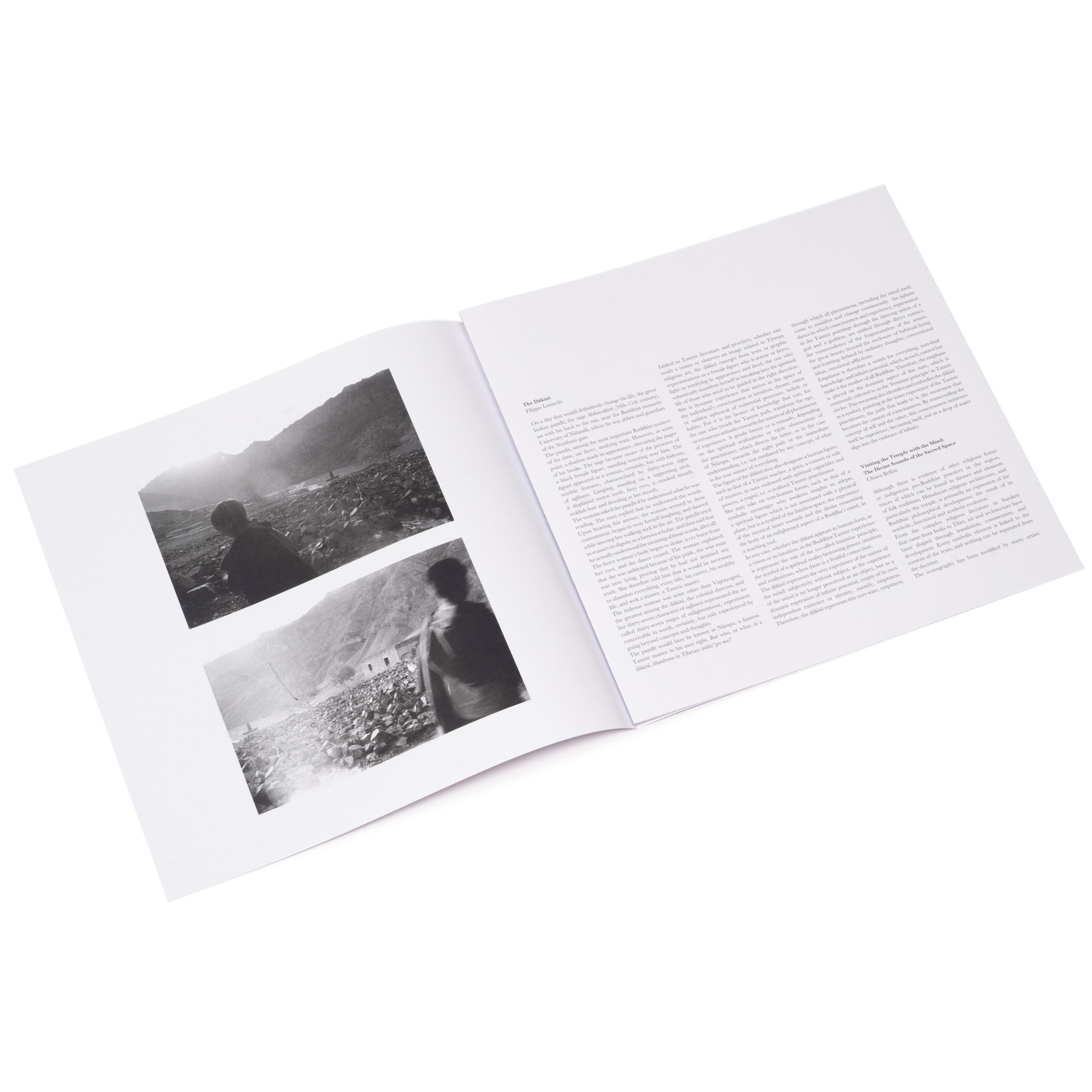
Il libretto che accompagna il disco contiene i contributi di studiosi esperti, come Chiara Bellini e Filippo Lunardo, sul valore del suono all’interno di uno spazio sacro come il monastero, e sulla ḍākinī (in tibetano khandroma) spirito femminile, letteralmente: “colei che attraversa il cielo” o “colei che si muove nello spazio”, alla quale è dedicato il disco.
Khandroma è il 1° disco di Ubi Kū, la nuova collana discografica curata dall’Agenda Cultura dell’Unione Buddhista Italiana. Con produzioni in vinile, CD e formato digitale, Ubi Kū ha per scopo la pubblicazione di opere musicali, nuove e di repertorio, legate alla cultura buddhista.
“Il tempio è il luogo in cui si manifestano il “corpo”, la “voce” e la “mente” del Buddha, attraverso la presenza delle immagini – statue e dipinti –, ossia il “corpo”, dei testi liturgici, la “voce”, e degli stūpa, ovvero la “mente”. Ecco che lo spazio sacro assume in questo modo un significato molto più denso e profondo, che possiamo immaginare attraverso l’evocazione dei suoni riprodotti in questo album.”
(Chiara Bellini)
“La ḍākinī è esperienza dinamica che si muove nello spazio della coscienza dell’individuo come intuizione, sogno, visione o sconvolgimento improvviso dei processi esistenziali, delle convinzioni o delle abitudini. Perché è portatrice di conoscenze atte, per colui che percorre il percorso tantrico, alla trasformazione dell’ego, o di erronee attitudini nei confronti della natura di tutti i fenomeni dell’esperienza.”
(Filippo Lunardo)
Le registrazioni ambientali, fonte di queste composizioni, sono state originariamente commissionate dal Rubin Museum of Art di New York ed effettuate da Stephan Crasneanscki, Francisco López e Simone Merli tra i 2.760 e i 4.500 metri di altitudine, dentro e intorno ai monasteri di quello che un tempo era il Regno di Lo, nel Mustang del Nord, in Nepal: Chele Monastery, Chhoser Cave, Chhusang, Chodey Monastery, Garghu Dhejing Chhyoling Gompa, Ghar Gompa (Lo Gekar), Jampa Lhakhang, Jomsom, Kag Chode Thupten Samphel Ling Monastery, Kagbeni, Kali Gandaki Valley, Lo Manthang, Lo Nifu, Marpha, Muktinakh, Nyiphuk Namdol Norbuling Gompa, Samar Monastery, Samduling Gompa, Syangboche Pass, Terri Samdrub Chodhing Monastery, Tetang, Thubchen, Thukten Dharkelin Gompa, Tsarang. Line Producers: Gabriele Giugni and Paul Hance.
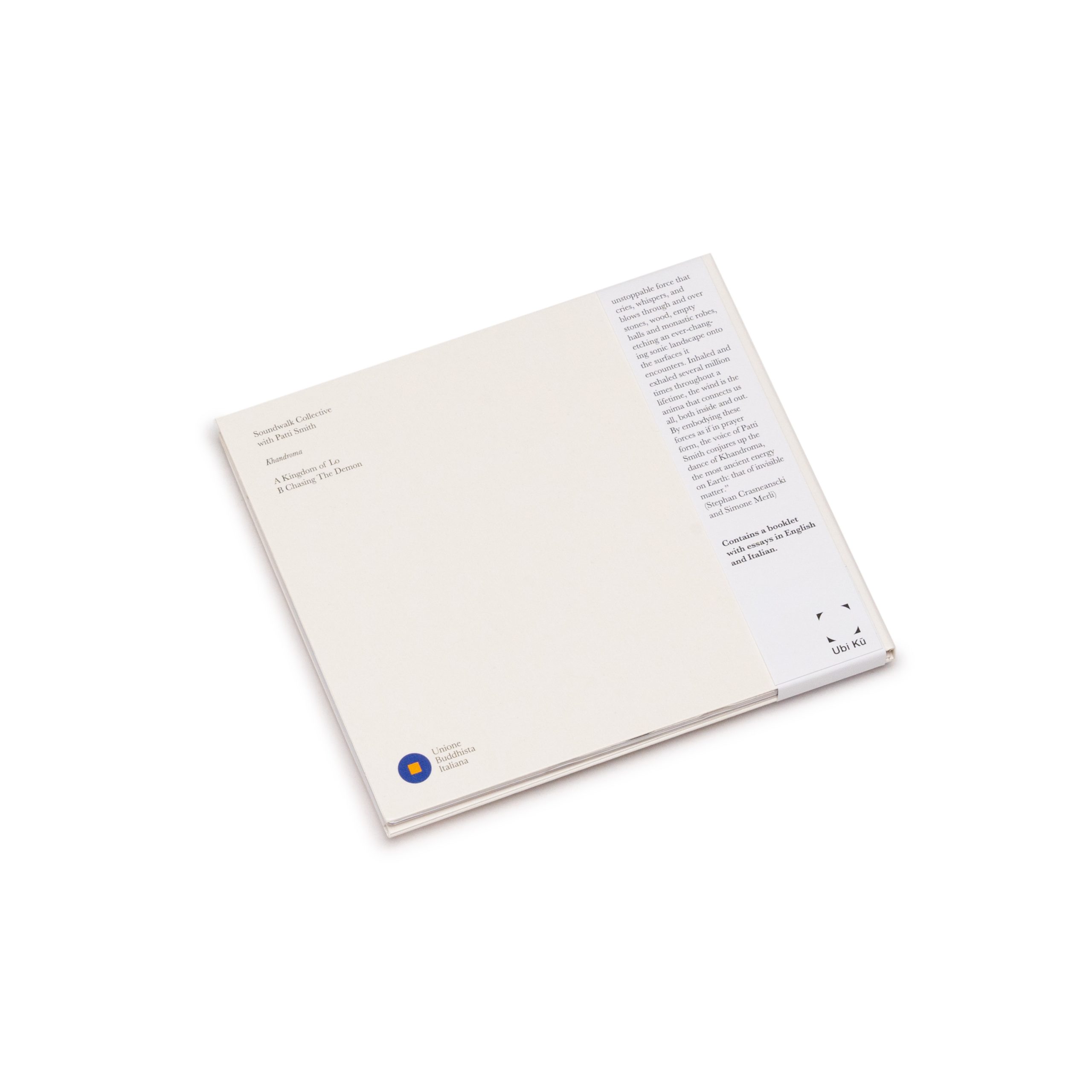
Composto e prodotto da Stephan Crasneanscki e Simone Merli. Voce in Chasing the Demon Patti Smith. Mix e master di Giuseppe Ielasi. Saggi di Chiara Bellini e Filippo Lunardo. Traduzioni Isabella Ranieri. Fotografie nel booklet S. Crasneanscki. Design grafico Ruben Spini. Stampato da Eldorado Media, Mainhausen, Germania. Editore Massimo Torrigiani. Label Managers Eloisa Guarracino e R. Spini. Grazie a Francisco López, Barbara Ellison, Gabriele Giugni, Paul Hance, Luigi Fieni, Tripple P Gurung, Beth Citron, Dominique Townsend, The Rubin Museum of Art, Davide Quadrio, Claudia Ramasso, Norbu Lamsang, Fabio Carboni e Andrea Marutti. Ubi Kū 01, December 2024
In the spring-summer of 2016, Soundwalk Collective and musician Francisco López traveled to Upper Mustang, Nepal, to record the sounds within and around some of the highest monasteries in the world: the fluttering of prayer flags, ritual chants, the echo of the wind from the valley below, and the interactions between sound and silence. The collected sounds were mixed by the Soundwalk Collective into a unique musical flow: a sonic portrait of Mustang, its environment, and its ancient monasteries. The result is a refined composition that also features the voice of Patti Smith.
The booklet accompanying the album contains contributions from expert scholars, such as Chiara Bellini and Filippo Lunardo, on the significance of sound within a sacred space like the monastery, and on the ḍākinī (in Tibetan, khandroma), the female spirit, literally “she who crosses the sky” or “she who moves through space,” to whom the album is dedicated.
Khandroma is the first album of Ubi Kū, the new record series curated by the Agenda Cultura of the Italian Buddhist Union. With productions in vinyl, CD, and digital formats, Ubi Kū aims to publish musical works, both new and of the repertory, related to Buddhist culture.
“This record’s sound flow reflects all those natural melodies, of the sounds outside and inside the temples of a wild land, of its sophisticated culture and of the spiritual paths trodden over the centuries by the Buddhist practitioners. The temple is the place where the Buddha’s ‘body’, ‘voice’and ‘mind’ are manifested, through the presence of images – statues and paintings, i.e. the ‘body’, liturgical texts, the ‘voice’, and stūpas, i.e. the ‘mind’. Sound is used to suggest a dense and profound meaning for such sacred space.”
(Chiara Bellini)
The ḍākinī is dynamic experience that moves in the space of the individual’s consciousness as intuition, dream, vision or sudden upheaval of existential processes, beliefs or habits. For it is the bearer of knowledge that can, for the one who treads the Tantric path, transform the ego, or erroneous attitudes towards the nature of all phenomena of experience.
(Filippo Lunardo)
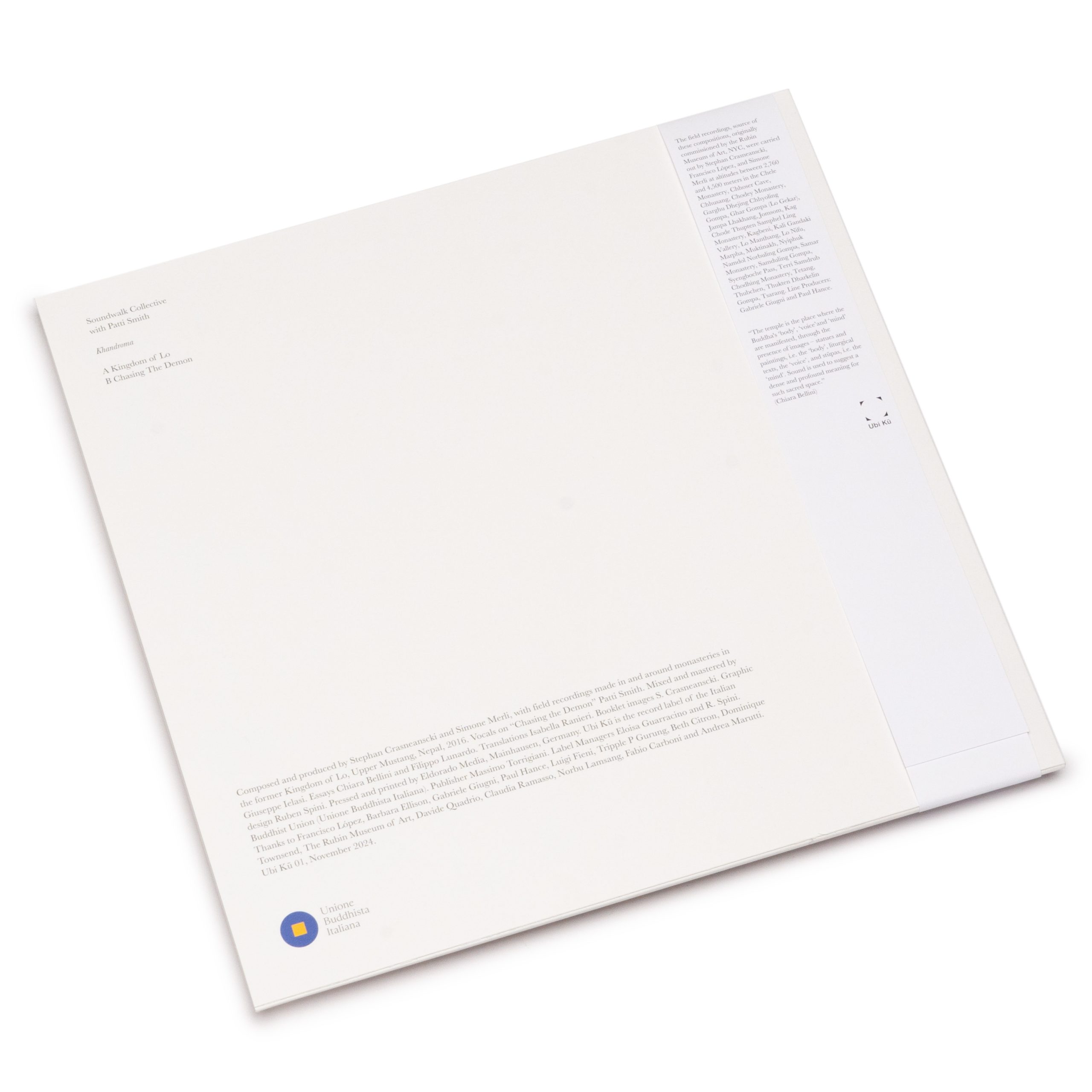
Composed and produced by Stephan Crasneanscki and Simone Merli. Vocals on “Chasing the Demon” Patti Smith. Mixed and mastered by Giuseppe Ielasi. Essays Chiara Bellini and Filippo Lunardo. Translations Isabella Ranieri. Booklet images S. Crasneanscki. Graphic design Ruben Spini. Pressed and printed by Eldorado Media, Mainhausen, Germany. Ubi Kū is the record label of the Italian Buddhist Union (Unione Buddhista Italiana). Publisher Massimo Torrigiani. Label Managers Eloisa Guarracino and R. Spini. Thanks to Francisco López, Barbara Ellison, Gabriele Giugni, Paul Hance, Luigi Fieni, Tripple P Gurung, Beth Citron, Dominique Townsend, The Rubin Museum of Art, Davide Quadrio, Claudia Ramasso, Norbu Lamsang, Fabio Carboni and Andrea Marutti. Ubi Kū 01, December 2024.
The field recordings, source of these compositions, originally commissioned by the Rubin Museum of Art, NYC, were carried out by Stephan Crasneanscki, Francisco López, and Simone Merli at altitudes between 2,760 and 4,500 meters in and around these places / Le registrazioni ambientali, fonte di queste composizioni, sono state originariamente commissionate dal Rubin Museum of Art di New York ed effettuate da Stephan Crasneanscki, Francisco López e Simone Merli tra i 2.760 e i 4.500 metri di altitudine dentro e intorno a questi luoghi: Chele Monastery, Chhoser Cave, Chhusang, Chodey Monastery, Garghu Dhejing Chhyoling Gompa, Ghar Gompa (Lo Gekar), Jampa Lhakhang, Jomsom, Kag Chode Thupten Samphel Ling Monastery, Kagbeni, Kali Gandaki Vallery, Lo Manthang, Lo Nifu, Marpha, Muktinakh, Nyiphuk Namdol Norbuling Gompa, Samar Monastery, Samduling Gompa, Syengboche Pass, Terri Samdrub Chodhing Monastery, Tetang, Thubchen, Thukten Dharkelin Gompa, Tsarang. Line Producers: Gabriele Giugni and Paul Hance.